LoloBuy sneaker QC works best when a photo answers a specific question about the pair you ordered. Start with the exact product and option, then compare visible construction, labels and measurements. A gallery of attractive seller photos is useful for saving a reference, but it is not evidence that your pair has arrived or passed an inspection. The difference is especially important when spreadsheet names drift away from their linked products.
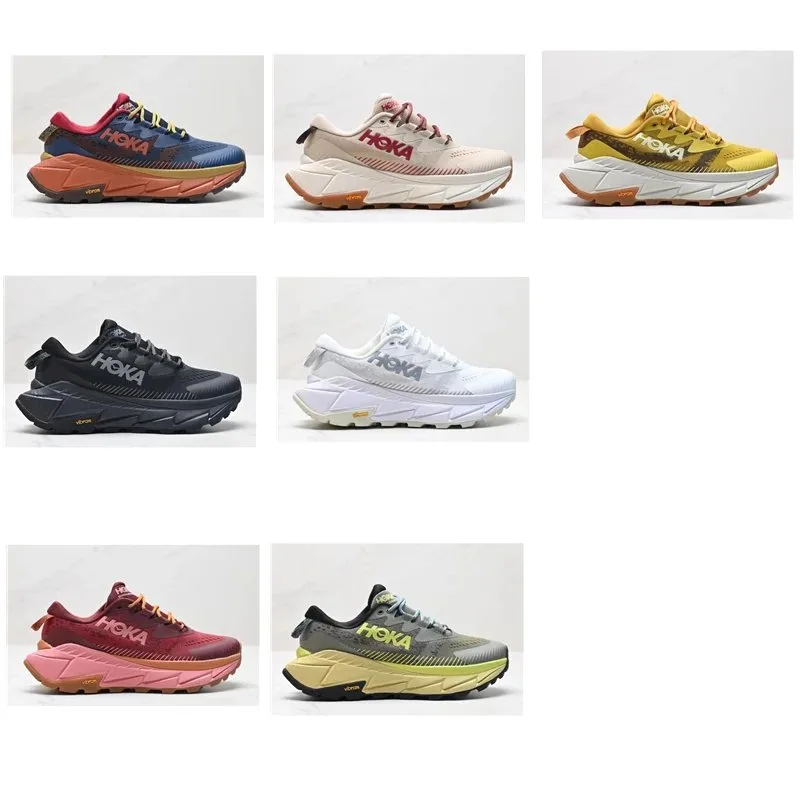
This guide uses two current CNBuyCha listing examples: record 3328, Skyline USKYLINE-FLOATX shoes, and record 3355, MM 07 casual shoes. Their displayed USD item prices were $30.28 and $63.19 on October 3, 2026. We have not bought either pair and have no private warehouse QC record for them. The images on this page are listing references, followed by a checklist for your own future warehouse photos.
 Skyline USKYLINE-FLOATX Men's and women's running shoes cushioning outdoor hiking shoes hiking shoes non-slip lightweight travel shoesUS$30.28 · 2026-10-03
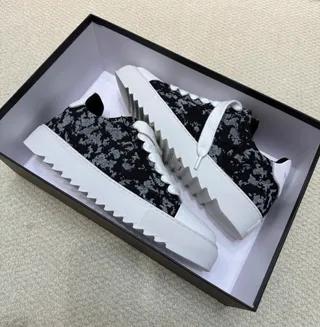 MM 07 Fashionable, flat, casual, non-slip shoesUS$63.19 · 2026-10-03
Listing reference first. Warehouse evidence second.
The two product images are seller references, not QC photographs or a purchase review.
Identity
Match the current listing and exact option.
Coverage
See both shoes, labels, sides and soles.
Clarify
Request a view that resolves one uncertainty.
Decision
Record what the photos establish and what they cannot.
01
Fix product identity before comparing small details
A previous card for record 3328 described a different shoe model. Record 3355 also had an older model label. Following the current destinations revealed the mismatch, so the cards now identify the actual listings. This is a useful QC lesson: a familiar spreadsheet caption must not override the product page, selected option and order record. Comparing the wrong reference can make correct shoes look defective or make a wrong pair seem acceptable.
Save the current title, catalog record, source seller link, colour, labelled size and option-specific image before payment. If the title is generic or inconsistent, write the observable features that distinguish the intended version. For the two examples here, their prices and names identify separate candidates; they do not establish equivalent construction, intended performance or value. Treat each selected option as a separate comparison.
| Listing reference | Observed item price | Evidence status |
|---|---|---|
| 3328 · Skyline USKYLINE-FLOATX | $30.28 | Seller-listing images only |
| 3355 · MM 07 casual shoes | $63.19 | Seller-listing images only |
| Your warehouse record | Use your actual order | Must match order, option and received pair |
02
Build a photo set that covers both shoes
Begin with a full-pair view that makes the left and right shoe visible together. Then look for outer sides, inner sides, heels, toe areas, outsoles and readable labels. Coverage matters more than a large count of nearly identical angles. If one heel or one label is missing, you cannot safely infer its condition from a photograph of the other shoe.
Use a simple evidence log with a row for each view: available, readable, matches reference, or needs clarification. Record a reason when a view is insufficient. For example, an outsole shot may cover the tread but cut off the toe edge; a top view may show laces while hiding the size label. This log makes an extra-photo request precise instead of asking the warehouse to photograph everything again.
RELATED DECISION PATHS
Continue with the evidence that answers the next question.
These links sit inside the guide because each one covers a decision that follows directly from this step.
03
Compare symmetry only after allowing for camera angle
Place comparable views beside each other and examine heel height, toe shape, panel positions and lace rows. First check whether the shoes sit at the same distance and angle to the camera. Perspective can make one toe look longer or one heel look higher. A single tilted image is weak evidence of a dimensional mismatch. Ask for a level, paired view if the apparent difference would affect acceptance.
Look for repeated differences across more than one angle before calling something inconsistent. Mark the location clearly, such as left shoe outer heel seam, rather than saying the shape looks off. A warehouse photo can show a visible asymmetry, but it does not tell you the cause or prove how the pair will feel on foot. Keep the observation separate from the conclusion you are trying to test.
04
Read size labels and measurements as separate evidence
Check that both shoes carry the ordered label and that the option on the order record agrees. A matching printed size confirms only the label. It does not prove fit because different lasts, insoles and label systems can vary. Compare the seller’s size guidance with a useful reference you already own and measure in a consistent way before deciding what additional evidence you need.
If insole measurement is offered and appropriate for the shoe, request a clear image showing the ruler endpoints and whether the insole is removable. Do not compare an outsole length to a bare-foot measurement as if they were interchangeable. For a non-removable insole, ask what measurement method is actually available instead of requesting an impossible shot. Record the method with the number so it remains interpretable later.
05
Inspect visible assembly without claiming a wear test
Examine sole-to-upper joins, stitching, surface marks, lace hardware and the areas where materials meet. A close-up can help distinguish a loose thread, visible separation or dirt from an image artifact. Check whether the same area appears in another view before deciding what it means. State what is visible rather than assigning a quality score with no defined standard.
No photograph in this article proves grip, cushioning, waterproofing, long-term bond strength or authenticity. The source title for record 3328 includes outdoor and running language, and record 3355 includes non-slip wording. Those are seller claims, not results from independent testing. If a performance property is essential to your use, seek suitable documented evidence; a visually tidy warehouse pair cannot establish it.
06
Request the smallest extra check that changes the decision
A useful request identifies the order, the affected shoe, the exact area and the required view. For example: show both heel counters straight-on on a level surface, or show the right shoe size label clearly beside the order reference. If a measurement is needed, name the start and end points. Ask whether the service is available and what it costs before assuming additional photographs are free.
Decide in advance how each result changes your action. A readable label may settle an identity question; an additional close-up may show that a suspected tear was a shadow. Repeating images that cannot answer the underlying question spends time without reducing uncertainty. When the issue is material composition or internal performance, more exterior photos may never be the right evidence.
07
Handle a mismatch while the order can still be reviewed
Keep the saved listing, chosen option, order details and relevant warehouse images together. Summarise the mismatch in one factual sentence and identify the requested outcome or next check. Do not edit the original photographs in a way that removes context; preserve them and use a separate annotated copy if you need to point at an area. A chronological record is easier to assess than scattered screenshots.
Check the live order status and available seller or platform action before international shipment. Storage time is not a promise of a return period. LoloBuy currently advertises 180 days of free storage publicly, but that does not establish a 180-day right to return shoes. Resolve a meaningful uncertainty before adding international freight and a new stage to the transaction.
08
Make a release decision with the limits still visible
Finish with a short record: correct item and option, both size labels checked, required views covered, visible issues resolved, any measurement recorded, and remaining uncertainties understood. Your decision might be accept, request clarification, or use an available after-sales action. None of those outcomes should be described as an independent authenticity certificate or a guarantee of fit.
Before packing, consider whether the selected protection and box arrangement suit the pair and the route. Keep the order reference and evidence accessible after dispatch. The strongest sneaker QC routine is repeatable: identify, inspect, clarify and record. Apply the same sequence to any new listing you discover, even when a popular model name or an appealing price makes the choice feel obvious.
SOURCES
Research basis
Platform claims and customer observations are kept separate. The notes below identify the research basis without sending visitors away from this guide. Confirm current account terms before acting.
- CNBuyCha product catalog — October 3, 2026The linked records provide the listed names, first images and displayed USD item prices. Seller wording is not independent proof of materials, performance, stock or authenticity.
- LoloBuy public homepage — October 3, 2026Publicly describes link-based ordering, warehouse inspection and photographs, and currently advertises 180 days of free storage. The live account controls each item deadline; storage is not a return window.
- Lolobuy Sheet editorial methodComparisons, budget scenarios and inspection priorities are our analysis. We have not bought or physically tested these items. This site has a commercial interest in CNBuyCha; product links open that catalog.