A LoloBuy haul cost breakdown should begin with the exact items and end with the amount required to receive the parcel. The number between those points changes as seller delivery, services, packaging and international freight become known. Keeping a staged budget is more useful than multiplying product prices by a fixed percentage or treating a generic shipping estimate as a quote for your address.
This worked example uses three CNBuyCha item prices checked on October 3, 2026: a $10.42 hat, a $12.36 backpack and a $37.78 hooded padded coat. Their item subtotal is $60.56. We did not place this order. Every non-product number below is explicitly hypothetical and exists only to show the calculation. Replace it with the current amount displayed for your own order and parcel.
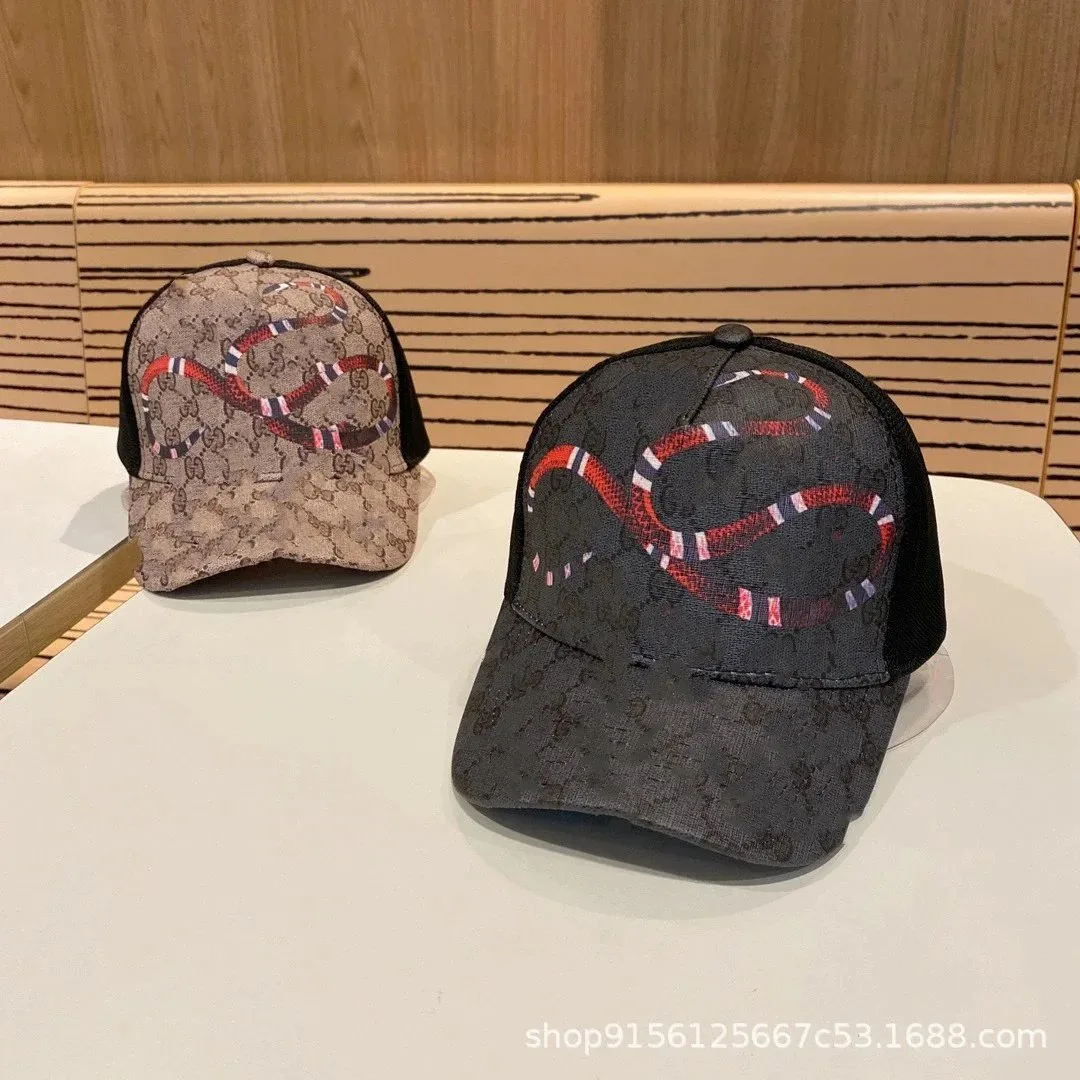
 High quality hatUS$10.42 · 2026-10-03
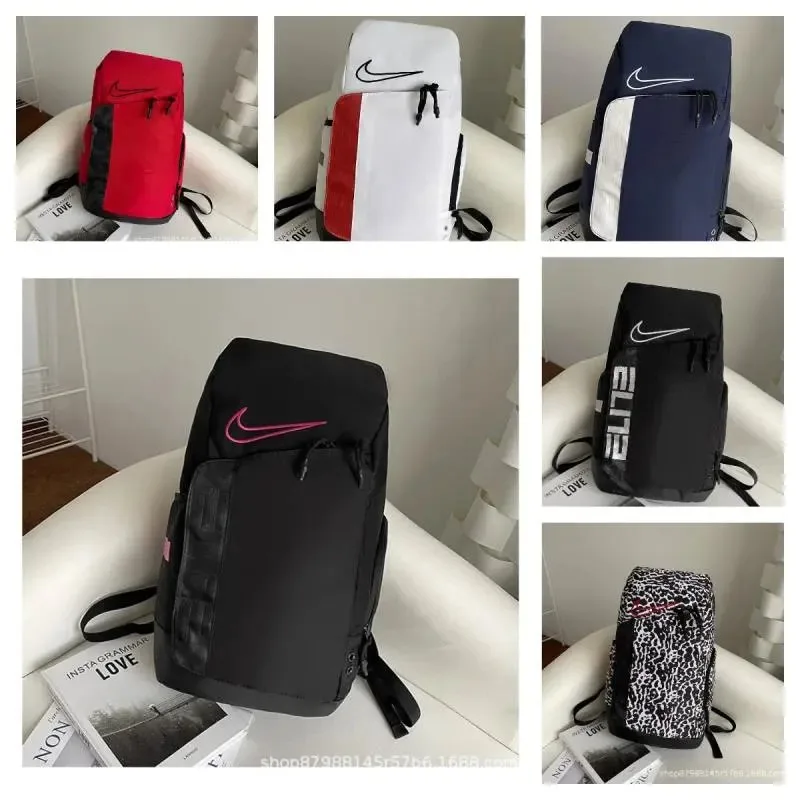
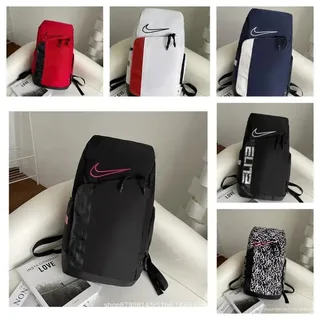 XJXPCS New fashion all-match backpack-01US$12.36 · 2026-10-03
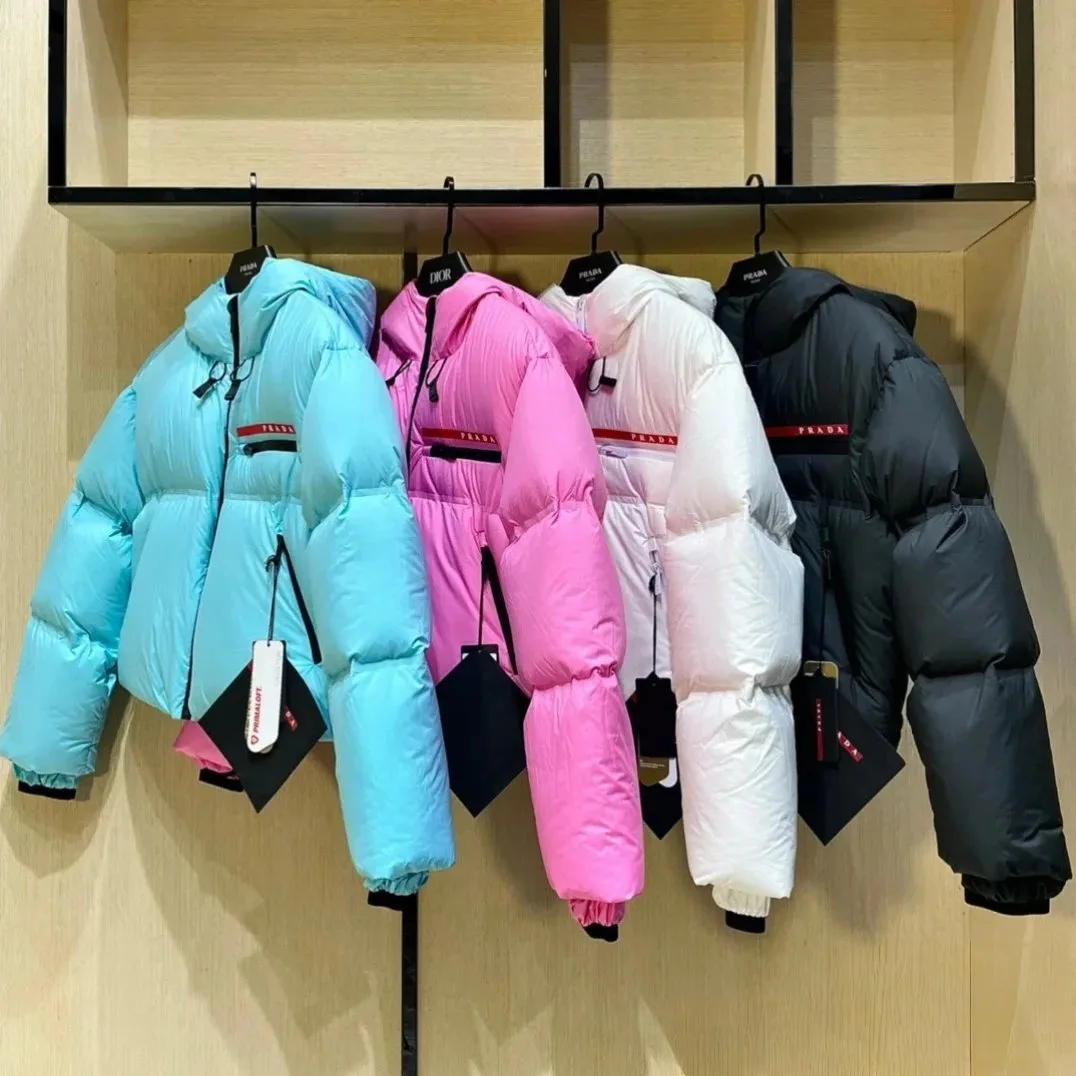
 Winter Hooded Coat Casual Loose Thickened Warm Cotton-padded CoatUS$37.78 · 2026-10-03
From $60.56 of items to a complete cost ledger.
Only the three item prices are observed; all shipping and service amounts in the worked example are hypothetical.
Items
$10.42 + $12.36 + $37.78 = $60.56.
Unknowns
Keep unquoted charges visible.
Scenario
$114.56 is an illustration, not a tariff.
Reconcile
Replace estimates with actual paid amounts.
01
Start with a basket that can be reproduced
The example contains one unit each of records 3353, 3295 and 3374. Record the selected colour, size or version beside each ID, because a different option may have a different amount. The three displayed USD prices provide a dated starting point, not a promise that all options share a fixed price. Open the current listing again before authorising a purchase.
Add the items in the same currency: $10.42 plus $12.36 plus $37.78 equals $60.56. Keep original source amounts and the actual checkout conversion if the transaction uses another currency. Do not reverse-engineer a universal exchange rate from the catalog display or count both the converted total and the original amount as separate charges. Your ledger should make every included component identifiable.
| Item | Quantity | USD item snapshot |
|---|---|---|
| 3353 · Hat | 1 | $10.42 |
| 3295 · XJXPCS backpack | 1 | $12.36 |
| 3374 · Hooded padded coat | 1 | $37.78 |
| Item subtotal | 3 | $60.56 |
02
Separate known prices, estimates and blank fields
Use a status column for each cost: observed catalog amount, current checkout amount, actual paid amount, estimate, or unknown. These labels prevent a rough planning number from gradually becoming a supposed fact. Domestic delivery may be shown during purchase, while packed dimensions may remain unknown until later. A missing fee on a product page should remain blank or unknown in the budget, not automatically become zero.
A useful ledger records item payments, China-side delivery, any selected paid services, packaging, international shipping, payment-related costs and destination charges where applicable. Some figures may be combined on the actual invoice. Record the combined amount once and note what it includes. A category in this guide is a prompt to check, not a claim that LoloBuy always charges a separate fee under that name.
RELATED DECISION PATHS
Continue with the evidence that answers the next question.
These links sit inside the guide because each one covers a decision that follows directly from this step.
03
Work through a clearly hypothetical parcel calculation
For arithmetic only, suppose domestic delivery adds $6.00, selected services and packing add $4.00, international freight is $42.00 and payment-related costs add $2.00. Adding those illustrative numbers to $60.56 produces $114.56 before any destination charges not already included. The $54.00 difference from the item subtotal shows why an attractive product basket can require a much larger final budget.
None of the four example charges is a verified LoloBuy tariff or a shipping quote. They do not represent a destination, route, weight or delivery promise. If your actual invoice combines packing with freight, replace both example entries with the correct combined charge. If a destination amount is already collected in the route price, record that inclusion so you do not accidentally add it again.
| Cost component | Illustrative amount | Evidence status |
|---|---|---|
| Three item prices | $60.56 | Catalog snapshot · Oct 3 |
| Domestic delivery | $6.00 | Hypothetical |
| Selected services and packing | $4.00 | Hypothetical |
| International freight | $42.00 | Hypothetical |
| Payment-related costs | $2.00 | Hypothetical |
| Subtotal before uncollected destination charges | $114.56 | Worked example, not a quote |
04
Test how much a shipping change would matter
Keep all other example entries fixed and replace only the freight amount. At hypothetical freight of $30.00, the same ledger totals $102.56. At $42.00 it totals $114.56, and at $55.00 it totals $127.56. The $25.00 spread between the low and high scenarios is a sensitivity check. It shows the budget’s dependence on a number you still need to verify.
If your overall cap were $120.00, the middle scenario would leave only $5.44 before any remaining destination charges. That is a narrow planning margin, not proof that the order is affordable. Set a reserve that reflects the unresolved entries in your actual case, then decide which item you would remove first if the final quote is higher. Do this before emotional attachment turns every basket row into a must-have.
05
Use packed weight and dimensions for the route comparison
The hooded coat may change the parcel’s volume as well as its actual weight. A backpack may also occupy space depending on how it is protected and packed. Until the packed measurements are available, the item count alone does not tell you the freight charge. Ask what the eligible route uses for chargeable weight, its rounding steps and the applicable size limits.
For a mathematical illustration, a 40 × 30 × 20 cm box has a volume of 24,000 cubic centimetres. Dividing by a hypothetical divisor of 6,000 gives 4 kg. This is not a claim that your LoloBuy route uses that divisor or formula. Use the divisor, units, rounding and comparison rule actually shown for the selected route, then compare like-for-like service options.
06
Compare consolidation with the actual alternatives
Putting items together can change packaging, volume and route eligibility; it is not automatically the cheapest choice. Compare a combined parcel and a split only when you have plausible packed data for both. Include additional packing, any repeated minimum charge and the protection needed for each item. A smaller freight line can still produce a higher total if another parcel introduces a second base charge.
Ask which packaging changes are available and suitable for the contents. Removing unnecessary packaging may affect dimensions, but retain protection needed to prevent damage. Do not assume a compressed coat, folded backpack and hat will recover their shape or tolerate the same packing method. Record the selected services so a later quoted amount can be traced to the version of the parcel you actually approved.
07
Allocate the total for analysis without inventing item freight
You may want to know whether each item remains worthwhile after delivery. One planning method allocates shared charges by item price. In the $114.56 example, the extra $54.00 distributed in proportion to the $60.56 item subtotal would add about $9.29 to the hat, $11.02 to the backpack and $33.69 to the coat. The allocated totals are therefore about $19.71, $23.38 and $71.47.
This allocation is bookkeeping, not evidence that each object caused that much freight. A bulky coat may contribute disproportionately to volume; a small item may add almost no marginal charge until a weight band changes. Use an allocation to compare budgets consistently, but use an actual revised parcel quote to decide whether removing one item would save money. The difference between allocated cost and avoidable cost is essential.
08
Reconcile the estimate after the parcel is paid
When actual amounts become available, replace each estimate with its invoice or account figure, record the payment date and identify any later adjustment or refund. Keep quoted, paid and refunded amounts separate until you calculate the net total. Compare the final result with the original cap and explain the largest difference, such as a changed item option, packed dimensions or a selected service.
Keep destination requirements separate from guesses in an article. Check the current official information relevant to your destination and the terms of your chosen route; this example does not establish a tax rate, allowance or declaration value. A complete haul budget is a record you can reproduce from the current order, the actual parcel and the final payments. Use the $60.56 basket as a template, then substitute your own evidence.
SOURCES
Research basis
Platform claims and customer observations are kept separate. The notes below identify the research basis without sending visitors away from this guide. Confirm current account terms before acting.
- CNBuyCha product catalog — October 3, 2026The linked records provide the listed names, first images and displayed USD item prices. Seller wording is not independent proof of materials, performance, stock or authenticity.
- LoloBuy public homepage — October 3, 2026Publicly describes link-based ordering, warehouse inspection and photographs, and currently advertises 180 days of free storage. The live account controls each item deadline; storage is not a return window.
- Lolobuy Sheet editorial methodComparisons, budget scenarios and inspection priorities are our analysis. We have not bought or physically tested these items. This site has a commercial interest in CNBuyCha; product links open that catalog.